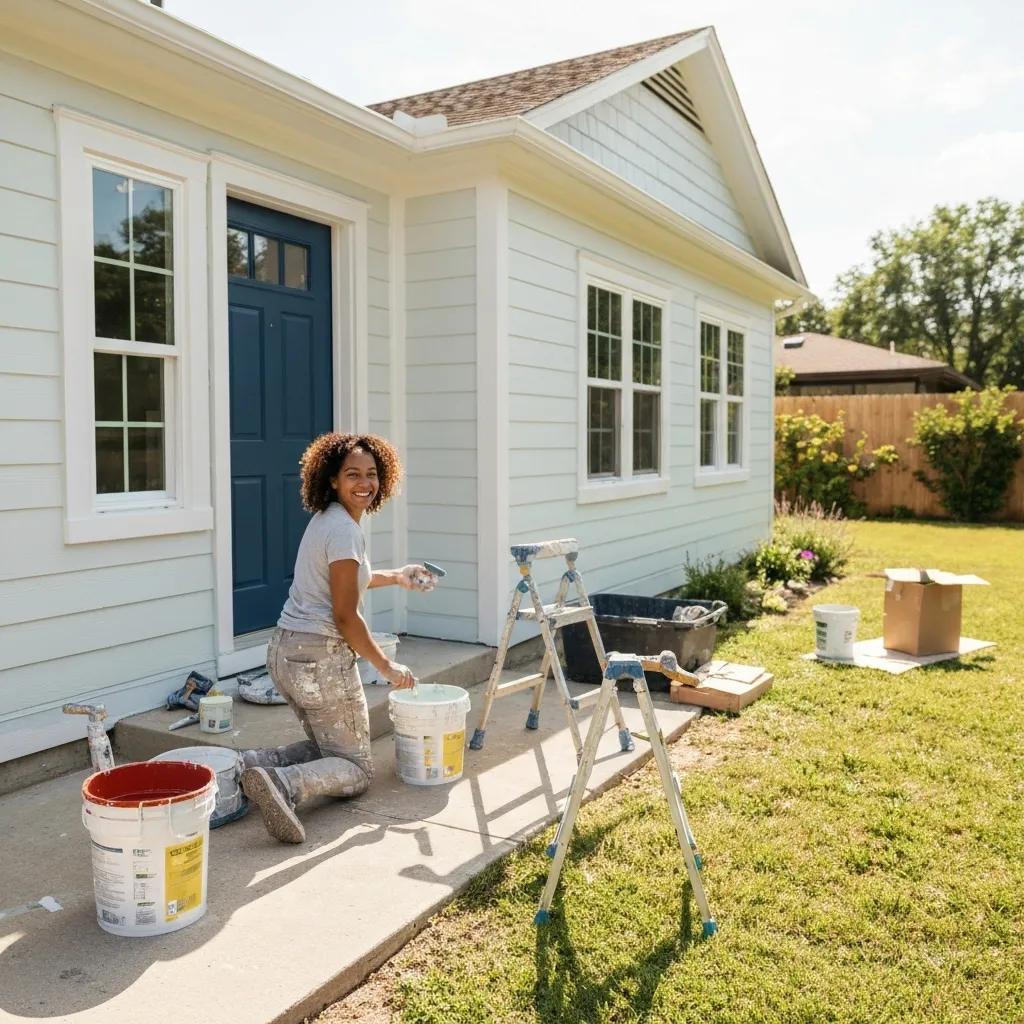
How to Find Affordable House Painting Services Fast
Finding affordable house painting services fast means balancing cost, time, and lasting quality so your home looks great without surprise expenses or extended disruption. This guide explains what "affordable and fast" really means for homeowners, shows the process-driven tactics contractors use to cut time and cost, and gives practical checklists to vet contractors in Massachusetts, Rhode Island, and Connecticut. Many homeowners equate affordability with the lowest bid, but value-driven choices—durable materials, efficient prep, and clear line-item quotes—deliver lower total cost over time. You will learn how painting costs break down, a step-by-step fast-project timeline, selection criteria to reduce risk, methods to estimate and compare quotes, and why eco-friendly paints can be the most cost-effective option long term. Throughout, the article includes comparison tables, actionable lists for featured-snippet style answers, and brief, non-promotional examples of how local providers streamline projects to save time and money.
What Defines Affordable House Painting Services?

Affordable house painting services prioritize value over lowest sticker price by combining efficient workflows, the right materials, and transparent estimating to reduce total lifecycle cost. Value arises when quality paint and proper prep reduce the need for early repainting, and efficient scheduling decreases labor overhead—together these mechanisms lower the effective cost per year. Understanding the drivers of price helps homeowners avoid trade-offs that create hidden costs later. The next section breaks down the typical cost elements so you can spot which line items matter most when comparing bids.
Different cost drivers determine whether a paint job is truly affordable:
Square footage and coverage needs: Larger surfaces scale material and labor.
Surface prep and repairs: Repairs and sanding increase labor time significantly.
Paint quality and type: Premium low-VOC paints cost more up-front but last longer.
Labor hours and crew efficiency: Skilled crews reduce rework and speed completion.
Accessibility and complexity: Heights, trim detail, and weather windows add cost.
These factors show why the lowest bid can be misleading; the following table isolates common cost drivers and how they affect durability and price.
Intro to the cost-driver comparison table: this table clarifies the elements that most often change a residential painting estimate and why they matter to affordability.
Cost ElementTypical Price ImpactHow It Affects AffordabilityPaint Type (low-VOC vs. standard)Moderate to HighHigher-quality paint increases durability and reduces repaint frequencyPrep Work & RepairsHighMore prep raises upfront cost but prevents peeling and callbacksLabor Hours / Crew SizeHighEfficient crews lower labor cost per square foot and speed timelinesNumber of CoatsModerateProper coating reduces long-term maintenance and extends finish lifeAccessibility (scaffolding)Moderate to HighAdds setup time and equipment costs, impacting total price
This comparison shows that investing in prep and premium paint often yields better long-term affordability by lowering lifecycle costs. Understanding these trade-offs prepares you to ask targeted questions when soliciting quotes.
How Do Painting Costs Break Down for Residential Projects?
A clear breakdown of a residential painting quote separates materials, labor, and extras so homeowners can compare bids on an apples-to-apples basis. Typical cost components include material (paint and sundries), labor (hours multiplied by crew rate), surface preparation (patching, sanding, priming), and additional services (trim work, cabinetry, pressure washing). The relationship is straightforward: Surface condition → prep time → labor hours, and paint quality → material cost → durability; this semantic triple helps you evaluate each line item.
Materials: Paint, primer, caulk, and masking supplies account for a measurable portion of cost.
Labor: Skilled labor often represents the largest single cost element on estimates.
Prep & Repairs: Patching and substrate repair can dramatically change final price.
Concluding transition: with these components in mind, the next subsection shows practical strategies to control those costs without sacrificing quality.
What Strategies Ensure Budget-Friendly Painting Without Sacrificing Quality?
There are proven tactics homeowners can use to lower paint project costs while keeping outcome and longevity high. First, bundle jobs—painting multiple rooms or combining interior and exterior work—so contractors reduce mobilization expenses and offer volume discounts. Second, choose durable, eco-friendly paints that cover better and require fewer coats; this reduces paint and labor over time. Third, schedule during off-peak seasons or flexible dates to secure better pricing and faster start dates. These approaches convert the semantic relation "efficient planning → lower labor cost → faster completion" into practical steps.
Bundle tasks: Combine rooms or services to reduce repeat setup charges.
Optimize timing: Book outside peak spring/summer windows for better rates.
Select long-lasting paints: Higher upfront material cost often reduces repaint frequency.
These strategies help maintain quality while cutting costs; next, learn how to identify contractors who can execute fast and efficient projects.
How Can You Find Fast and Efficient House Painting Services?
Fast, efficient painting depends on predictable processes: prompt quoting, coordinated crews, standardized prep, and staged workflows that allow safe, fast application and cure times. Contractors who streamline these steps reduce idle time, avoid weather or access delays, and complete projects with fewer change orders. Evaluating potential painters on their process-driven answers reveals who can deliver speed without sacrificing finish quality. The next subsection outlines a compact, featured-snippet-style timeline you can use to vet contractors for speed.
Intro to process steps list: this ordered list shows a repeatable five-step timeline that typifies quick residential painting projects and what to expect at each stage.
Consultation and Itemized Estimate: Initial visit and a clear, line-item quote; typically 1–3 days to receive.
Scheduling and Pre-Work Planning: Agreed start date, materials ordered, and prep logistics set; typically 1–7 days lead time.
Prep and Protection: Surface repair, masking, and cleaning; duration varies but is essential for speed and quality.
Paint Application: Efficient crews work in zones using proper tools to minimize rework.
Final Inspection and Touch-Ups: Contractor performs walk-through, corrects issues, and cleans up.
These steps demonstrate that speed is engineered through planning and execution rather than rushed labor, and homeowners should prioritize contractors who explain each stage in measurable timelines. The following subsection explains how contractors minimize disruption while maintaining accelerated schedules.
What Is the Typical Process for Quick Painting Project Completion?
A streamlined painting project uses an explicit sequence—estimate, scheduling, prep, paint, inspect—that compresses calendar time through parallel tasks and organized crews. The mechanism is simple: planning and parallelization reduce idle time, so labor hours translate directly into faster completion. In practice, a well-organized small interior job might progress from estimate to completion within a week, while exterior projects depend on weather windows and may take longer. Ask contractors for typical durations per step and examples of similar projects they completed on tight timelines.
Estimate to start: Quick estimates with photos can shorten scheduling lead time.
Prep efficiency: Thorough prep reduces the likelihood of repainting and delays.
Zone painting: Working in logical zones allows parts of the home to be usable sooner.
This timeline perspective leads naturally into specific tactics teams use to reduce homeowner disruption during fast projects.
How Do Professional Painters Minimize Disruption During Fast Projects?
Minimizing disruption combines technical measures—protective coverings, dust control, zone scheduling—with communication systems that set clear homeowner expectations. Efficient crews stage materials, use quick-drying products where appropriate, and coordinate daily check-ins so occupants know what to expect. The relationship here is contractor process → reduced disruption → homeowner satisfaction; insist on written daily plans and a single point of contact to maintain clarity.
Protective staging: Drop cloths, taped edges, and covered furniture reduce clean-up time.
Zone scheduling: Painting one area at a time preserves home usability.
Communication protocols: Daily updates or a project manager reduce confusion and speed sign-offs.
These methods keep projects moving and homeowners informed; next we discuss how to vet contractors for reliability and affordability.
What Should You Look for When Choosing Affordable and Reliable Painters Near You?
Choosing painters requires balancing trust factors with price: validate licensing and insurance, read recent reviews for timeliness and budget adherence, and demand transparent, itemized quotes to avoid surprises. Licenses and insurance reduce homeowner liability and indicate regulatory compliance, while detailed contracts and written guarantees protect expectations. The following checklist lists essential vetting items you should require before awarding a job.
Intro checklist paragraph: use this checklist when comparing local providers to ensure affordability is not achieved by accepting undue risk.
Verify licensing and insurance: Ask for copies and policy numbers where available.
Check recent, detailed reviews: Prioritize comments about timeliness and contract adherence.
Require itemized, written quotes: Look for materials, labor, prep, exclusions, and timelines.
Ask about warranties or workmanship guarantees: Confirm what is covered and for how long.
These vetting steps help you distinguish between seemingly low bids and genuinely affordable, low-risk options. Next, we explain the protective value of credentials in more depth.
Why Are Licensing, Insurance, and Certifications Important?
Licensing, insurance, and certifications function as risk mitigation: licensing signals regulatory compliance, insurance protects homeowners from liability for accidents or damage, and certifications indicate training and quality practices that reduce rework. Valid credentials reduce the probability of costly problems and support contractor accountability. Request proof of each credential and check state licensing databases or ask for insurer contact info to confirm coverage.
Insurance protects homeowners: General liability and workers’ comp prevent homeowner exposure to claims.
Licensing validates compliance: A license shows the business meets local regulatory requirements.
Certifications indicate standards: Training certifications correlate with consistent workmanship and fewer touch-ups.
Understanding credentials leads into how to interpret client reviews and quotes for transparency.
How Do Client Reviews and Transparent Quotes Help Find the Best Painters?
Client reviews provide social proof of punctuality, budget adherence, and final finish quality, while transparent quotes let you compare scope and inclusions across bids. Look for recent, detailed reviews that mention communication, on-time completion, and how change orders were handled. Quotes should include materials, labor hours, prep work, warranty terms, and explicit exclusions to enable direct comparison.
Seek detailed, recent reviews: Older or generic reviews carry less weight than specific, dated testimonials.
Compare itemized quotes: Line-item comparisons reveal where lower bids may be skipping essential prep or materials.
Ask follow-up questions: Clarify warranty details, cleanup obligations, and payment schedule.
Reviews and clear quotes reduce hiring risk and expose hidden costs; with vetting practices set, the next section shows how a local contractor can put these principles into practice.
How Does Excellence Custom Painting Deliver Affordable and Fast Residential Painting in MA, RI, and CT?
Excellence Custom Painting operates across Massachusetts, Rhode Island, and Connecticut and applies process-driven efficiency, premium eco-friendly materials, and certified craftsmen to deliver predictable, affordable outcomes. Their approach emphasizes transparent quotes, on-time and on-budget commitments, and personalized solutions that minimize rework and shorten timelines. Licensed and insured, the company pairs pressure washing, cabinet refinishing, and both interior and exterior painting services into bundled options that reduce mobilization costs—an example of combining services to increase affordability without compromising quality.
Certified Craftsmen: Skilled crews reduce rework and speed completion.
Premium Eco-Friendly Materials: Long-lasting paints improve lifecycle value.
Stress-Free Service & Personalized Solutions: Clear communication and planning reduce homeowner disruption.
These practices show how a local provider can turn process efficiency and quality materials into real savings for homeowners in the MA/RI/CT region. For homeowners ready to compare options, Excellence Custom Painting offers free estimates and local service—contact via the local office phone number or visit their local address for an in-person consultation.
What Are the Unique Value Propositions That Ensure Quality and Speed?
Each unique value proposition ties directly to both affordability and faster project delivery: certified craftsmen reduce callbacks, eco-friendly premium materials require fewer coats and repel wear, and on-time/on-budget commitments align scheduling and purchasing to avoid delays. The connection is clear: certified teams + premium materials + disciplined scheduling = fewer days on site and lower lifetime cost.
Certified craftsmen reduce rework: Trained crews complete jobs correctly the first time.
Eco-friendly materials extend coverage: Better coverage reduces needed coats and future repaints.
On-time/on-budget commitments improve predictability: Fixed schedules reduce change-order delays.
These value propositions illustrate the mechanisms that support both speed and affordability; the next subsection lists specific services that enable bundled savings.
Which Specific Services Support Affordable and Fast Painting Solutions?
Bundling related services shortens timelines and lowers overall cost by reducing repeated setup and travel time. Interior painting workflows focus on room-by-room progression with protective staging, while exterior painting schedules align with weather windows and efficient prep like pressure washing. Cabinet refinishing offers a notably lower-cost, faster alternative to full replacement, and pressure washing accelerates exterior prep to keep exterior timelines tight.
Interior painting: Zone-based crews allow partial home use and faster completion.
Exterior painting: Pre-scheduled weather windows and pressure washing reduce delays.
Cabinet refinishing: Faster, less expensive than full replacement with major aesthetic impact.
By aligning services into bundled projects, homeowners can achieve faster completion and measurable cost savings; the following section explains how to estimate costs accurately when comparing these options.
How Can You Estimate House Painting Costs Accurately?
Accurate estimation begins with a clear formula: . This calculation lets you compare per-square-foot or room-based bids and spot inconsistencies. For featured-snippet style clarity, use the short formula above, then request itemized bids to reconcile differences. The next subsection lists key factors that commonly shift estimates so you can adjust expectations before accepting a quote.
Intro to sample estimate table: the table below provides a simple estimate structure homeowners can use to benchmark quotes against typical price ranges.
Area / ElementDescriptionTypical Price RangeInterior wall (per sq ft)Paint & labor for standard wall finishes$1.50 – $3.50Exterior siding (per sq ft)Includes prep, primer, and two coats$2.00 – $5.00Minor surface repairsPatching, caulking per room$50 – $350Cabinet refinishing (per cabinet door)Sanding, priming, paint or finish$40 – $120
This sample estimate helps you translate a contractor’s line items into comparable metrics; next, learn which specific factors most influence price variability.
What Factors Influence Residential Painting Prices?
Several variables cause significant estimate variance: surface condition and required prep often create the largest swings; paint quality shifts material cost; and accessibility (ladders, scaffolding) increases labor and equipment fees. Lead paint remediation, ornate trim, or extensive repairs can multiply costs rapidly. The semantic relationship is surface condition → required remediation → labor hours, which emphasizes why accurate site inspection is vital.
Surface prep & repairs: The single biggest variable in most residential bids.
Paint quality & number of coats: Better products can reduce long-term costs despite higher material price.
Site accessibility: Height and detail work increase labor and safety-related costs.
Recognizing these influencers helps you interpret divergent quotes and prioritize questions for bidders.
How to Get Transparent and Competitive Painting Quotes?
To secure competitive pricing, solicit at least three itemized bids, insist on written scopes, and compare identical line items including paint brand/type, number of coats, prep steps, warranty, and cleanup. Ask each contractor for a timeline and a payment schedule tied to milestones rather than arbitrary dates. Use the following checklist to structure your quote requests and comparisons.
Request itemized, line-by-line estimates: Ensure materials, labor, prep, and exclusions are explicit.
Compare identical scopes: Standardize number of coats, paint type, and prep level across bids.
Ask about warranties and clean-up: Confirm what is included post-completion and how defects are handled.
A methodical, side-by-side comparison reduces the chance of onboarding hidden costs and helps you choose the best value rather than the lowest price. With cost estimation in hand, consider the role eco-friendly materials play in value.
Why Choose Eco-Friendly Painting Solutions for Affordable and Quality Results?
Eco-friendly paints—specifically low- or zero-VOC premium formulations—improve indoor air quality while often providing superior coverage and durability, which reduces repaint frequency. The mechanism is paint quality → increased coverage and longevity → lower lifecycle cost, so the apparent premium can be justified by longer intervals between repaints and healthier indoor environments. Current research and market trends indicate growing homeowner preference for eco-friendly options that add resale value and health benefits. The next subsection lists primary benefits to help weigh upfront cost versus long-term value.
Intro to benefits list: these benefits explain why eco-friendly paint can be both a health and value-driven choice for budget-conscious homeowners.
Improved indoor air quality: Low/zero-VOC formulas reduce harmful emissions during and after application.
Better coverage and durability: Premium eco paints can provide higher hiding power and longer life.
Marketability and resale appeal: Eco credentials can be a selling point for health-conscious buyers.
Factoring these benefits into your cost-per-year calculation often shows eco-friendly choices lower total ownership cost and provide non-monetary benefits like improved indoor air quality. The final subsection clarifies how eco-options affect overall cost and ROI.
What Are the Benefits of Using Premium Eco-Friendly Paints?
Premium eco-friendly paints reduce VOC emissions and tend to have better pigment and binder formulations that increase coverage and durability. The semantic triple is eco-paint → lower emissions → healthier indoor air, which attracts buyers and creates immediate occupant benefits. In many cases, the increased upfront material cost is offset by fewer repaints and reduced ventilation or remediation needs, especially in sensitive indoor environments like nurseries or recently renovated homes.
Health benefits: Lower VOCs minimize short-term odor and long-term exposure risks.
Performance: Enhanced coverage can reduce coats and labor time.
Perceived value: Eco-friendly finishes can strengthen resale positioning.
Linking these advantages to lifecycle cost shows eco-friendly materials are often an affordable choice when viewed over multiple years.
How Do Eco-Friendly Options Affect Overall Painting Costs and Value?
Although eco-friendly paints can cost more per gallon, they frequently reduce total project cost through better coverage and extended service life; this trade-off improves return on investment for many homeowners. Decision logic: higher-per-gallon cost + fewer coats + longer interval between repaints = lower annualized cost. Choose eco-options when occupant health, resale factors, or long-term maintenance budgets are important considerations.
Upfront vs. lifecycle cost: Calculate cost per year to compare options fairly.
When eco pays off: High-use areas or homes with air-quality concerns often justify the premium.
Seller/Buyer appeal: Eco credentials can be a tangible selling point during resale.
This article has provided process-oriented tactics, tables, checklists, and local examples to help you identify affordable, fast house painting services that deliver lasting value. For a local, process-driven estimate or to discuss bundling interior, exterior, cabinet refinishing, or pressure washing services in Massachusetts, Rhode Island, or Connecticut, contact Excellence Custom Painting by phone at (475) 204-7287 for a free estimate.
Frequently Asked Questions
What are the key benefits of hiring professional house painters?
Hiring professional house painters ensures a high-quality finish and saves you time and effort. Professionals have the expertise to handle various surfaces and conditions, ensuring proper preparation and application techniques. They also use high-quality materials that enhance durability and longevity. Additionally, professional painters can provide warranties, giving you peace of mind regarding the work done. Their experience allows them to complete projects efficiently, minimizing disruption to your daily life while achieving a polished look that enhances your home's curb appeal.
How can I prepare my home for a painting project?
Preparing your home for a painting project involves several steps to ensure a smooth process. Start by removing furniture and covering floors with drop cloths to protect them from paint splatters. Clear the walls of any decorations, and ensure that surfaces are clean and dry. If necessary, repair any damage to the walls, such as holes or cracks, to create a smooth surface for painting. Communicate with your painter about any specific concerns or preferences you have, and ensure that pets and children are kept away from the work area for safety.
What should I expect during the painting process?
During the painting process, you can expect a structured approach that includes several key stages. Initially, the painters will conduct a thorough assessment of the area to be painted, followed by surface preparation, which may involve cleaning, sanding, and priming. Once the prep work is complete, the actual painting will begin, typically in multiple coats for even coverage. After painting, a final inspection will be conducted to address any touch-ups needed. Throughout the process, professional painters will maintain communication to keep you informed about progress and any potential issues.
How do I maintain my newly painted surfaces?
Maintaining newly painted surfaces is essential for preserving their appearance and longevity. Start by allowing the paint to cure fully, which can take several weeks. After that, clean the surfaces regularly with a soft cloth or sponge and mild detergent to remove dust and dirt. Avoid harsh chemicals that can damage the paint. For high-traffic areas, consider using touch-up paint to address any scuffs or scratches promptly. Additionally, keep an eye on the condition of the paint, and schedule repainting when you notice signs of wear, such as fading or peeling.
Are there eco-friendly painting options available?
Yes, there are many eco-friendly painting options available that prioritize both health and environmental sustainability. Low-VOC (volatile organic compounds) and zero-VOC paints are popular choices, as they emit fewer harmful chemicals into the air, improving indoor air quality. These paints often provide excellent coverage and durability, reducing the need for frequent repainting. Additionally, many manufacturers offer eco-friendly paint products made from natural ingredients, which can be a great choice for environmentally conscious homeowners. Discussing these options with your painter can help you select the best products for your project.
What factors can affect the timeline of a painting project?
Several factors can influence the timeline of a painting project, including the size and complexity of the job, weather conditions, and the condition of the surfaces being painted. Larger areas or intricate details may require more time for preparation and application. Weather can also play a significant role, especially for exterior projects, as rain or extreme temperatures can delay work. Additionally, if extensive repairs or prep work are needed, this can extend the timeline. Clear communication with your contractor about expectations and potential delays can help manage the project effectively.
Conclusion
Choosing affordable house painting services ensures that homeowners receive quality results without overspending or enduring lengthy disruptions. By understanding the cost drivers and employing strategic planning, you can achieve a beautiful finish that lasts while maintaining budget control. Explore your options with local contractors who prioritize efficiency and transparency to make informed decisions. For a personalized consultation and free estimate, reach out to Excellence Custom Painting today.