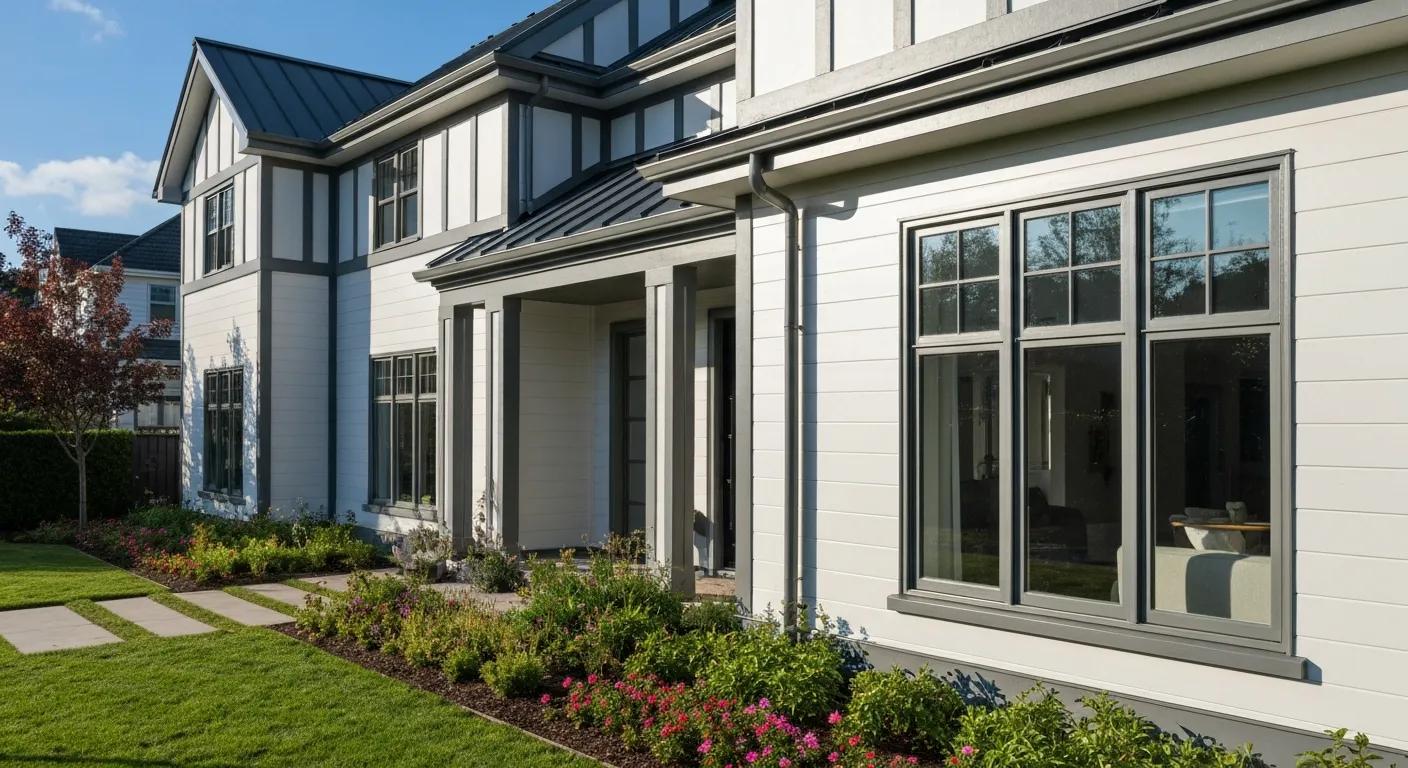
What Makes Quality Home Painting Services Stand Out?
A quality home painting service combines durable materials, precise craftsmanship, and clear project management to deliver long-term aesthetic and financial value to homeowners. This article explains what "quality home painting services" means in practical terms, describing how professional house painters achieve long-lasting finishes, healthier indoor environments, and measurable return on investment. Many homeowners struggle with peeling, uneven coverage, or frequent touch-ups after DIY or low-quality jobs; understanding the components of a strong painting program helps avoid those outcomes and preserves property value. Below we examine the core pillars that separate top providers from the rest: contractor credentials and accountability, material selection with eco-friendly options, a stress-free process that minimizes disruption, meticulous surface preparation and finishing techniques, local expertise for New England climates, and sensible warranties and proof through reviews. Each section combines definitions, mechanisms, and homeowner benefits, using checklists, comparison tables, and practical steps so you can evaluate contractors and choose services that match your goals for durability, appearance, and indoor air quality.
What Are the Key Qualities of the Best Painting Contractors?
High-quality painting contractors combine technical skill, verified credentials, and consistent communication to deliver reliable results that protect homeowner investments. Skilled teams translate surface assessment into appropriate prep, primer, and topcoat choices; these mechanisms reduce failures like peeling, blistering, and color mismatch while improving finish longevity. Selecting a contractor on the basis of these qualities helps homeowners avoid costly callbacks, ensures safety on-site, and creates predictable timelines that reduce disruption. Below is a concise list of the top contractor attributes that indicate quality and reliability.
Certified Craftsmen: Licensed and trained painters apply industry techniques and quality control for consistent finishes.
Meticulous Surface Preparation: Proper cleaning, sanding, and priming prevents adhesion failure and extends lifespan.
Premium Materials and Low-VOC Options: High-quality paints and primers resist fading and improve indoor air quality.
Clear Communication and Transparent Estimates: Written scopes, timelines, and change-order processes reduce scope creep.
Warranties and Follow-Through: Workmanship guarantees demonstrate confidence and protect homeowners financially.
This list distills the primary indicators to look for when vetting contractors and sets the stage for deeper discussion on certification, insurance, and practical verification steps.
How Do Certified and Experienced Painters Ensure Superior Results?
Certified and experienced painters ensure superior results by applying proven techniques across assessment, preparation, application, and inspection stages. Their experience informs correct wallpaper removal, moisture remediation, and substrate repairs that lay the foundation for adhesion and long-term durability. Skilled painters also match application method to surface—brushing, rolling, or spraying—so sheen, texture, and edge quality remain uniform, reducing visible defects that lower perceived value. Because experienced crews run quality-control checkpoints during projects, homeowners experience fewer callbacks and clearer expectations for maintenance. Understanding how experience maps to outcomes helps homeowners prioritize skill and process over low initial bids when selecting a contractor.
Why Are Licensing and Insurance Essential for Reliable Painting Services?
Licensing and insurance protect homeowners by shifting risk and ensuring accountability when projects encounter accidents or defects. A license indicates that a contractor meets local regulatory standards and that tradespeople understand building codes and safe work practices; insurance, including general liability and workers’ compensation, covers property damage or injuries that could otherwise become homeowner liabilities. Homeowners should verify credentials by requesting proof of current certificates and policy limits and by checking any available state license lookup when applicable. This verification checklist reduces exposure to unvetted contractors and aligns expectations for remediation and claim handling if issues arise during or after the work.
CredentialPractical BenefitWhat to Ask ForTrade LicenseConfirms regulatory compliance and contractor legitimacyRequest license number or certificate copyGeneral Liability InsuranceCovers property damage during workAsk for certificate of insurance and policy limitsWorkers' CompensationProtects homeowner from employee injury claimsRequest proof of workers’ comp coverageThird-Party CertificationsDemonstrates advanced training or product-specific expertiseVerify certifying organization and status
This credential comparison helps homeowners prioritize verifiable protections and practical benefits during contractor selection, and it naturally leads to material choices and warranty expectations discussed next.
How Do Premium Materials and Eco-Friendly Paints Enhance Painting Quality?
Premium materials and eco-friendly paints enhance painting quality by combining superior film-forming chemistry with reduced indoor pollutants, delivering both long-lasting finishes and healthier interiors. High-grade binders and pigment loads improve adhesion, color retention, and resistance to chalking, while low-VOC or zero-VOC formulations lower off-gassing and odor during and after application. Selecting the right primer and topcoat for the substrate and climate translates chemical performance into measurable longevity, reducing repaint frequency and lifecycle costs. Below is a comparison table that helps homeowners weigh paint types and brand-level attributes in the context of durability, VOC level, recommended use, and typical longevity.
Different paint formulations offer distinct trade-offs in performance and environmental impact.
Paint Type / BrandVOC LevelDurability RatingBest UseExpected LongevityPremium Acrylic (e.g., top-tier exterior formulation)LowHighExterior siding, trim8–15 years depending on exposureLow-VOC Interior Latex (premium line)Very Low/ZeroMedium–HighBedrooms, living areas, kitchens7–12 years with normal wearAlkyd/Enamel TopcoatLow–MediumHigh abrasion resistanceTrim, cabinetry, high-touch surfaces10+ years with proper prepSpecialty Mildew-Resistant ExteriorLowHigh in damp climatesCoastal or humid exteriors8–12 years with proper maintenance
This EAV comparison clarifies why choosing both product chemistry and application strategy matters; premium coatings paired with correct primers and application deliver the best ROI for homeowner budgets. Following this material-focused analysis, it helps to examine practical benefits of low-VOC options.
What Are the Benefits of Using Low-VOC and Sustainable Paints?
Low-VOC and sustainable paints reduce indoor air pollution, minimize strong odors during application, and support a healthier home environment—especially important for bedrooms, nurseries, and occupied living spaces. Mechanistically, low-VOC formulations emit fewer volatile organic compounds because they rely on cleaner solvents or waterborne chemistries, which shortens the time occupants experience irritation or lingering fumes. For many homeowners, the slight incremental cost of premium low-VOC products pays back through improved occupant comfort and fewer ventilation-related issues during and after projects. Recent trends show increased consumer preference for these options, and choosing them becomes particularly relevant when residents have respiratory sensitivities or when projects are performed in occupied homes.
How Do Premium Paints Improve Durability and Finish Longevity?
Premium paints improve durability through stronger binders, higher pigment concentration, and enhanced UV and chemical resistance, which together reduce fading, chalking, and early failure. These technical attributes increase film cohesion so topcoats resist abrasion, dirt pickup, and moisture ingress that commonly cause premature repainting. Practically, homeowners experience fewer maintenance cycles and longer periods before touch-ups are required—translating to lower lifecycle costs and preserved curb appeal. When selecting premium formulations, the right pairing of primer, substrate prep, and application thickness is critical to realize the laboratory benefits in real-world performance.
After understanding material advantages, the next critical pillar is the customer experience: a stress-free, well-managed painting process that reduces homeowner burdens and aligns expectations with outcomes.
How Does a Stress-Free Painting Process Improve Customer Satisfaction?
A stress-free painting process improves customer satisfaction by establishing clear expectations, minimizing disruption, and maintaining open communication during every project phase. The mechanism is simple: structured consultations, documented scopes, scheduled milestones, and systematic clean-up reduce uncertainty and allow homeowners to plan around work windows. When teams use color-sampling tools and mock-ups early, rework and revision cycles shrink, creating a smoother path from decision to finished surface. This section details the typical consultation and project-management steps that drive satisfaction and explains how those practices reduce delays and cost overruns.
Professional painting projects typically follow a defined sequence that keeps homeowners informed and work on schedule.
Initial Walkthrough and Needs Assessment: Inspect surfaces, identify issues, and agree on scope.
Color Selection and Sampling: Use swatches or small test panels to preview final results.
Written Estimate with Timeline: Provide a detailed scope, costs, and milestone dates.
Execution and Daily Communication: Maintain updates on progress and any adjustments needed.
Final Inspection and Clean-Up: Walkthrough with homeowner to confirm satisfaction and address punch-list items.
These steps reduce surprises, help homeowners coordinate logistics, and lead into explicit project-management techniques that control cost and timing.
What Steps Are Included in a Professional Painting Consultation and Color Selection?
A professional consultation begins with a walkthrough to assess substrates, identify repairs, and prioritize areas needing attention, then moves into color visualization using swatches, digital renderings, or sample panels. This methodical process ensures the homeowner and contractor share the same expectations for sheen, light interaction, and contrast with existing elements like trim and roofing. The consultation also yields a written estimate that clarifies scope, materials, and sequencing to minimize later disputes. Incorporating color tools and clear documentation upfront shortens decision cycles and reduces the likelihood of costly repainting or mid-project changes.
How Does Project Management Ensure On-Time and On-Budget Delivery?
Project management ensures on-time and on-budget delivery through defined milestones, transparent communication, and contingency planning for weather or supply issues. Daily or milestone-based check-ins and documented sign-offs at key stages—prep, priming, and final coat—create accountability and let homeowners track progress. Effective PM also includes change-order protocols that document scope adjustments and their cost implications, preventing scope creep and surprise invoices. By integrating communication protocols with scheduling discipline, professional teams reduce friction and deliver predictable results that align with homeowner timelines.
After outlining process best practices, it is useful to consider craftsmanship: attention to detail that determines whether a painted surface reads as professional or amateur quality.
Why Is Attention to Detail Crucial for Quality Residential Painting?
Yes — attention to detail is crucial because small craftsmanship elements directly determine adhesion, visual uniformity, and longevity of the finish. Precise edge work, correct sanding and patching, and consistent application technique create the visual cues homeowners associate with high-quality work and materially reduce maintenance needs. Detailing influences how light reflects on walls, how trim lines read, and how surfaces age under weather and wear. The following sections unpack how surface preparation and finishing techniques transform material performance into a durable, high-quality result.
Comprehensive Surface Prep: Clean, sand, patch, and prime to ensure adhesion.
Edge and Cut-In Precision: Straight, crisp lines distinguish professional results from amateur work.
Appropriate Coats and Dry Times: Multiple thin coats beat one thick coat for durability and uniform color.
Consistent Sheen Matching: Even sheen reduces perceived imperfections and improves longevity.
How Does Meticulous Surface Preparation Affect Paint Longevity?
Meticulous surface preparation affects paint longevity by addressing the root causes of failure—contaminants, loose material, moisture, and surface irregularities—before coatings are applied. Cleaning removes dirt and mildew that impede bonding; sanding and feathering smooth transitions to eliminate lift points; patching and priming block stains and ensure uniform absorption. These steps create a homogeneous surface that allows primers and topcoats to form continuous films with strong adhesion, dramatically reducing peeling and blistering risks. Quantitatively, appropriate prep can extend effective service life by several years compared with minimal or no preparation, making it a cost-effective investment.
What Finishing Techniques Distinguish Top-Rated Painting Companies?
Top-rated painting companies employ finishing techniques—such as careful cut-ins, feathered brushwork, uniform spray overlap, and controlled back-rolling—that ensure consistent texture and sheen across surfaces. These methods reduce lap marks, streaking, and roller texture variance, producing a smooth visual plane that reflects light evenly. Inspecting trim for clean edges, verifying uniform sheen under different lighting, and confirming seamless transitions at butt joints are practical homeowner checks to assess finish quality. These finishing details not only elevate aesthetics but also protect surfaces from premature wear.
How Do Personalized Solutions and Local Expertise Add Value to Painting Services?
Personalized solutions and local expertise add value by aligning color choices, material selection, and scheduling with regional architecture, lighting conditions, and climate realities. Local knowledge informs decisions—like choosing mildew-resistant formulations for coastal properties or scheduling exterior work around New England freeze-thaw cycles—to optimize durability and appearance. Personalized color consultations respect neighborhood palettes and homeowner preferences while avoiding regulatory or HOA conflicts. The next subsections provide region-specific examples and explain how climate considerations translate to practical material choices and timelines.
Personalization and local expertise often change the outcome materially rather than cosmetically.
Tailored Color Palettes: Recommendations that account for orientation, light, and surrounding materials.
Material Choices Based on Climate: Selection of coatings with mildew resistance or UV stability for local conditions.
Custom Scoping: Adjusting project scope to preserve architectural details and minimize unnecessary replacement.
Why Are Customized Color Consultations Important for Homeowners in MA, RI, and CT?
Customized color consultations matter in Massachusetts, Rhode Island, and Connecticut because local architecture, coastal light, and seasonal changes affect how color reads on a facade or interior wall. For example, coastal salt air and bright southern light can desaturate some pigments, while shaded north-facing exteriors may appear darker and need lighter tones to maintain balance. Consultants consider orientation, neighboring homes, and historical styles when suggesting palettes to ensure cohesive neighborhood fit and long-term satisfaction. By testing colors with swatches and small installed samples in situ, homeowners avoid surprises when viewing changes across different times of day and seasons.
How Does Local Climate Influence Paint Selection and Application?
Local climate influences paint selection and application by dictating formulations that resist moisture, mildew, or UV degradation and by defining appropriate windows for exterior work to avoid freeze-thaw or humidity-related curing failures. In humid or coastal environments, mildew-resistant paints and robust primers are prioritized; in areas with strong sun exposure, UV-stable pigments and UV-resistant topcoats preserve color. Timing projects during favorable weather windows and allowing correct dry times between coats are operational decisions that depend on local climate knowledge, which in turn protects the investment and reduces the likelihood of early failure.
What Warranties and Guarantees Should You Expect from Quality Painting Companies?
Quality painting companies provide clear warranties and workmanship guarantees that delineate what is covered, for how long, and under what conditions claims are valid. Warranties shift the long-term risk of premature failure away from homeowners and indicate a company's confidence in its materials and methods. When evaluating warranty language, homeowners should look for distinctions between material manufacturer warranties and contractor workmanship guarantees, coverage length, conditions that void coverage, and whether warranties are transferable on property sale.
The table below clarifies typical warranty types and their practical implications.
Warranty TypeTypical Coverage LengthTransferabilityCommon Triggers That Void CoverageManufacturer Material Warranty5–15 years depending on productUsually transferableImproper application or substrate issuesContractor Workmanship Guarantee1–5 yearsSometimes transferable; check contractLack of maintenance, unauthorized modificationsLimited Surface Performance Guarantee1–3 yearsRarely transferableNatural wear or damage from external forcesExtended Service PlansVariesOften contractualFailure to follow maintenance recommendations
How Do Warranties Protect Your Investment in Home Painting?
Warranties protect homeowner investments by providing remediation or repair pathways if premature peeling, adhesion failure, or defective materials occur within the warranty period. The mechanism is contractual: clear documentation of scope, materials, and expected finish allows the contractor or manufacturer to evaluate claims and undertake corrective work if failures align with covered causes. To preserve coverage, homeowners should document the project with photographs, keep maintenance records, and follow any care guidelines specified in the warranty. Proper documentation accelerates claim resolution and ensures the financial protections function as intended.
What Role Do Customer Reviews and Testimonials Play in Assessing Quality?
Customer reviews and testimonials validate a contractor's ability to deliver on promises by providing social proof about punctuality, communication, finish quality, and warranty fulfillment—especially when reviews include photos and project specifics. Homeowners should prioritize recent, local testimonials that mirror their project type and scope, and look for patterns in feedback rather than single anecdotes. Verifying references for similar projects in nearby neighborhoods provides stronger evidence than distant or generic reviews. Combining review analysis with the contractual protections discussed above gives a balanced assessment of both reputation and accountability.
For homeowners seeking a practical example of these principles applied locally, Excellence Custom Painting (operating as Excellence Painting MA) offers certified craftsmen, on-time project management, and eco-friendly paint options across interior, exterior, and cabinet refinishing services. Their approach emphasizes meticulous surface preparation, premium low-VOC materials for occupied homes, and clear project scopes designed to minimize disruption. Homeowners in Massachusetts, Rhode Island, and Connecticut who want a stress-minimizing experience can request a free estimate by contacting the team; a brief consultation clarifies scope, material options, and proposed timelines while aligning choices with local climate and design considerations. This localized, process-driven example illustrates how the attributes described throughout this article translate into practical, homeowner-focused outcomes.
Warranty ElementWhat It CoversRecommended Homeowner ActionCoverage ScopeLabor vs. materials vs. workmanshipGet explicit written definitions in contractLengthDuration of protectionCompare length against expected product lifeTransferabilityWhether warranty moves with propertyAsk for transfer terms if selling within warrantyVoiding ConditionsActions that nullify coverageFollow maintenance and usage guidelines exactly
Verify credentials and insurance before hiring: Confirm licenses and insurance certificates are current.
Request a written scope, schedule, and warranty: Ensure clarity on materials, labor, and remediation procedures.
Prioritize prep and premium materials for long-term value: Invest in primer and topcoat pairings appropriate for substrate and climate.
For homeowners in Massachusetts, Rhode Island, and Connecticut seeking professional residential painting, choosing a provider that combines certified craftsmen, premium low-VOC materials, meticulous prep, and clear warranty terms protects both aesthetics and long-term value. Excellence Custom Painting (operating as Excellence Painting MA) applies these principles across interior and exterior painting, cabinet refinishing, commercial projects, and pressure washing—delivering personalized color consultations, on-time execution, and material choices designed for New England conditions. To discuss a specific project or request a free estimate, contact the team by phone at (475) 204-7287 to arrange a consultation that aligns materials, process, and warranty options with your home’s needs.
Frequently Asked Questions
What Should Homeowners Look for in a Painting Contract?
Homeowners should ensure that their painting contract includes a detailed scope of work, including specific tasks, materials to be used, and a clear timeline for project completion. Additionally, it should outline payment terms, warranty information, and any contingencies for unexpected issues. A well-defined contract protects both parties and sets clear expectations, reducing the likelihood of disputes. Homeowners should also verify that the contract includes provisions for clean-up and final inspection to ensure satisfaction with the completed work.
How Can Homeowners Prepare Their Homes for a Painting Project?
Homeowners can prepare their homes for a painting project by clearing the areas to be painted of furniture, decor, and other items. It’s also helpful to clean surfaces to remove dust and grease, which can affect paint adhesion. If possible, homeowners should also consider patching any holes or imperfections in the walls. Communicating with the painting contractor about any specific concerns or preferences can further ensure a smooth process. Proper preparation helps minimize disruptions and enhances the quality of the final finish.
What Are the Environmental Benefits of Choosing Eco-Friendly Paints?
Choosing eco-friendly paints offers several environmental benefits, including reduced emissions of volatile organic compounds (VOCs), which can contribute to air pollution and health issues. These paints are often made from natural materials and are biodegradable, minimizing their impact on the environment. Additionally, using low-VOC or zero-VOC options can improve indoor air quality, making homes healthier for occupants. By selecting eco-friendly paints, homeowners contribute to sustainability efforts and promote a healthier living environment for themselves and future generations.
How Can Homeowners Maintain Their Painted Surfaces?
To maintain painted surfaces, homeowners should regularly clean walls with a damp cloth to remove dust and stains, avoiding harsh chemicals that can damage the finish. It’s also advisable to inspect for any signs of wear, such as peeling or fading, and address these issues promptly to prevent further damage. Repainting touch-ups in high-traffic areas can help maintain aesthetics. Additionally, following any specific care instructions provided by the contractor or paint manufacturer can extend the life of the paint job and keep surfaces looking fresh.
What Factors Influence the Cost of a Painting Project?
The cost of a painting project can be influenced by several factors, including the size of the area to be painted, the type of paint used, and the complexity of the job. Additional considerations include the condition of the surfaces, the need for repairs or extensive preparation, and the contractor's experience and reputation. Geographic location can also play a role, as labor and material costs vary by region. Homeowners should obtain multiple estimates to understand the market rates and ensure they receive fair pricing for their project.
How Do Seasonal Changes Affect Painting Projects?
Seasonal changes can significantly affect painting projects, particularly for exterior work. In colder months, paint may not adhere properly due to low temperatures, while high humidity can lead to issues like mildew growth. Spring and fall are often ideal for exterior painting, as temperatures are moderate and humidity levels are typically lower. For interior projects, homeowners should consider ventilation and drying times, as well as the comfort of occupants during the painting process. Planning projects according to seasonal conditions can enhance the quality and longevity of the paint job.
Conclusion
Investing in quality home painting services ensures long-lasting aesthetics and protects your property value through meticulous craftsmanship and premium materials. By understanding the key qualities of top contractors, homeowners can make informed decisions that enhance both indoor air quality and visual appeal. Embrace the benefits of a stress-free painting process and personalized solutions tailored to your local climate. For a seamless experience, contact us today to explore how our expert team can transform your home.